Feeding a Child with ADHD: What Parents Need to Know
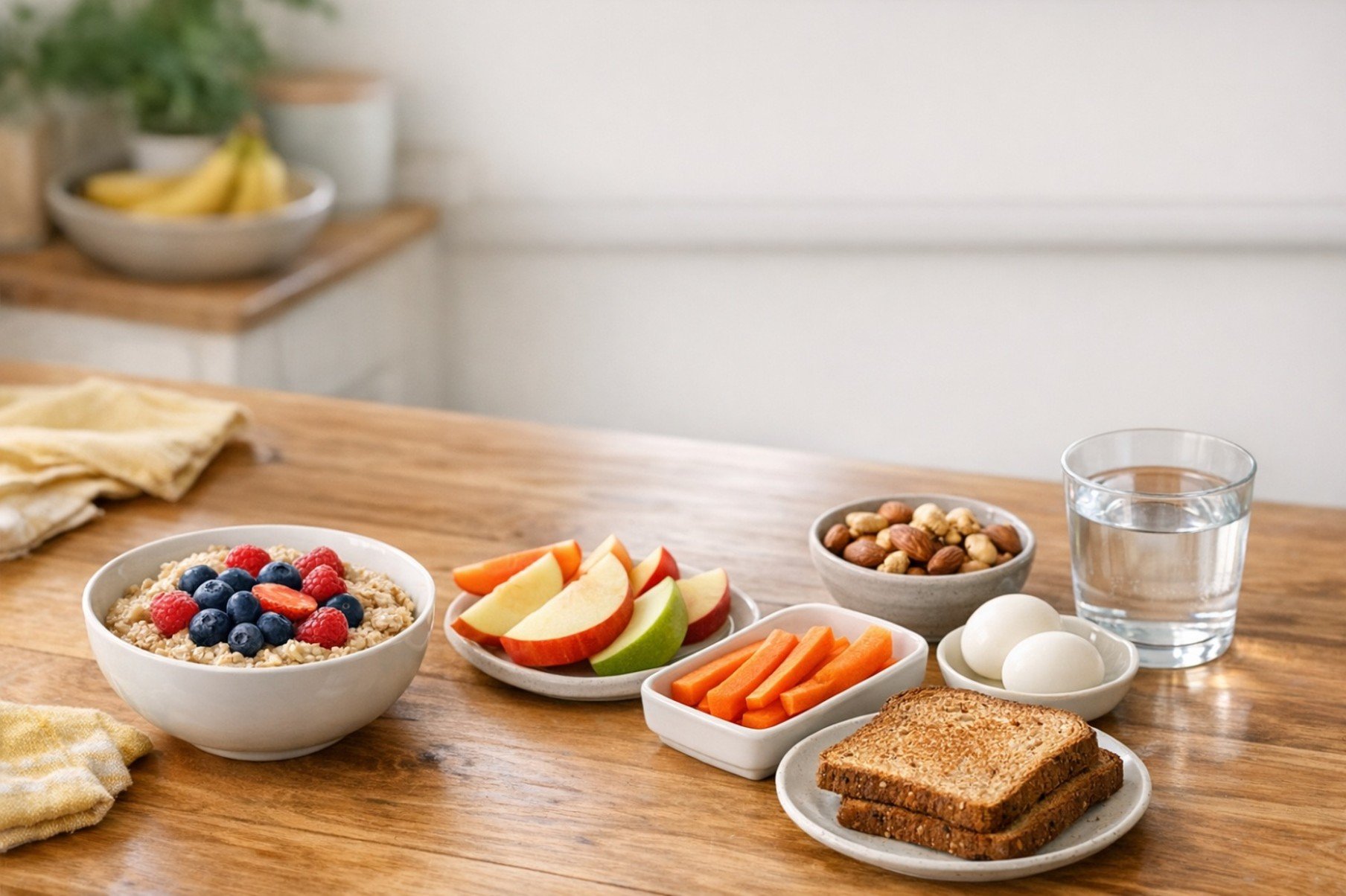
If mealtimes feel a bit more complicated with an ADHD child in the mix, you are not imagining it. This quick guide walks through what may be going on and offers simple, realistic food ideas that can help support steadier energy, focus and less stress at home.
If you are parenting a child with ADHD, food can sometimes feel surprisingly complicated. Many children with ADHD are drawn to things that feel instantly rewarding, and that can show up big-time in what they eat. One reason often discussed is dopamine — a brain chemical involved in motivation, satisfaction and the body’s reward system. When dopamine signalling is different, like in ADHD, everyday rewards may not feel quite as satisfying, so high-stimulation foods can become especially tempting.
That might look like your child reaching for foods that are crunchy, salty, sweet, rich, or intense in flavour. Or foods that simultaneously offer high refined carbs and high fat, a combination not found in nature but known to overstimulate the brain’s reward system, giving a big dopamine hit. Think chips, pizza, doughnuts, ice cream — the kind of ultra-tasty foods that can feel like a quick win when their brain craves stimulation.
Just to add confusion, ADHD is not always about novelty. Sometimes it is the complete opposite. Plenty of children hyper-fixate on one safe, reliable meal or snack and want it on repeat. When their nervous system already feels overloaded, predictability can provide comfort. They may return to foods they ate a lot as a toddler, so called nursery food, like marmite on toast or plain pasta with grated cheese. And for many families, these patterns can swing back and forth depending on stress, sleep, routine, sensory sensitivities and medication.
The importance of nutrition in ADHD has good scientific grounding. Food will not “cure” ADHD, but it can play a supportive role in your child’s day-to-day wellbeing. Current research suggests that some children with ADHD may be more likely to have lower levels of certain nutrients linked to brain function. Reviews of the evidence suggest these nutrients may matter most when there is a genuine deficiency to correct, rather than as a one-size-fits-all fix.
Omega-3 fatty acids, which support brain cell membranes and may modestly help attention and behaviour in some people.
Zinc and magnesium, which are involved in nervous system signalling and neurotransmitter function.
Iron, especially if ferritin is low, because iron plays a role in dopamine production.
Vitamin D, which is important for overall brain and immune health.
The big takeaway? A balanced, consistent way of eating usually matters more than chasing miracle foods. That said, if your child is low in key nutrients, improving those levels through diet — and sometimes supplements, with professional guidance — may help support focus, energy and emotional regulation.
Foods that tend to support focus and steadier energy:
Omega-3-rich foods such as salmon, walnuts and flaxseeds.
Protein-rich foods like eggs, Greek yogurt, beans, lentils, tofu, fish and lean meat to help with fullness and steadier blood sugar.
Complex carbohydrates such as oats, brown rice, potatoes, wholegrain bread and lentils for slower, steadier energy release.
Fruit and vegetables for fibre, antioxidants, vitamins and minerals that support overall brain health.
Fermented foods like yogurt, kefir and kimchi, which may support gut health — an area researchers are still exploring in ADHD.
What about ultra-processed foods and ADHD?
This is where things get a little more individual. Some parents notice that lots of ultra-processed foods, artificial colourings, sweeteners or preservatives seem to leave their child more wired, foggy or dysregulated. The research here is still evolving, but some ultra-processed ingredients seem to affect the gut microbiome and signalling to the brain via the gut-brain access. Eating fewer highly processed foods and more whole foods is a sensible, low-risk starting point.
Simple ways to eat a bit better with ADHD
You do not need a perfect meal plan, colour-coded containers or a spreadsheet full of recipes. Small, realistic changes are usually far more helpful. Here are a few that can make everyday eating easier for your child — and a little less stressful for you:
Start with protein when you can — especially at breakfast. It can help your child feel fuller for longer and may reduce the mid-morning crash. It also provides the key building blocks, amino acids, for making dopamine and other neurotransmitters. Eggs are an excellent addition to breakfast, as is Greek yogurt.
Choose slower-release carbs — oats, wholegrain toast, brown rice and potatoes tend to give steadier energy than sugary snacks or refined carbs. Swap to wholegrain bread products, pasta and rice. This can be done gradually over time, mixing white in with wholegrain.
Make healthier snacks easy to grab — nuts, fruit, yogurt, cheese, boiled eggs or hummus and crackers are much more likely to get eaten if they are visible and convenient.
Keep drinks simple — water and milk are usually good everyday options, and staying hydrated helps with focus too.
Work with your child’s sensory preferences — if crunchy foods are their thing, lean into that with apples, carrots, roasted chickpeas or seeded crackers. If they love strong flavours then explore zingy pickles like gherkins, add spices like paprika, or citrusy lemon or lime, nature offers many big flavours.
Keep it low-pressure — repetitive meals are okay if they help your child eat consistently. You can build variety gradually.
If your child has ADHD and food feels inconsistent, intense or oddly complicated, you are definitely not alone. The goal is not to feed them perfectly. It is to understand their patterns, make food a bit easier to manage, and give their brain the steady support it needs. Start small, stay curious, and if you suspect a nutrient deficiency or medication is affecting appetite, it is worth speaking to a professional.
If you’d like to discuss your child’s nutrition with me, get in touch using the contact details at www.cathlinbeaumont.com